We use cookies to ensure you get the best possible experience on our website.
Welcome gift
10% discount on your first order
Create your account in seconds, and activate a special coupon for your account to renew the luxury of your home with the finest curtains and furnishings.
A coupon specific to your account, to be used once
Applies to cash payment
One step separates you from the opponent
Enter your phone number or email address to create your account or log in.
A good night's sleep isn't an accident; it's the result of making the right choices on every layer of your bed: from the mattress protector to the last pillow. This guide will walk you step-by-step to a bed that feels like a hotel bed.
Quick answer: The secret to Comfortable Bedding lies in four things: a breathable natural material like Egyptian cotton, a fabric suitable for the season (percale for summer and satin for winter), a pillow that fits your sleeping position, and layers that you can add or remove depending on the weather. And it's all complemented by calming colors and regular care.
Article Contents
Why does comfortable bedding affect your sleep?
Your body spends about a third of its life in bed, and bedding is the closest thing to your skin all night long. When the fabric doesn't breathe, heat and sweat get trapped, causing you to toss and turn and wake up without realizing it, disrupting your deep sleep cycle. And when the pillow isn't right, your neck and shoulders get tired, and you wake up stiff. That's why comfortable bedding isn't a luxury; it's a direct investment in your energy, mood, and focus every day.
In five-star hotels, the secret isn't just an expensive mattress, but a complete package: soft, snug cotton sheets, a fluffy duvet in a clean cover, pillows in different sizes, and layers that adjust to the room's temperature. The good news is that you can recreate the same experience at home for a reasonable price, if you choose the right items.
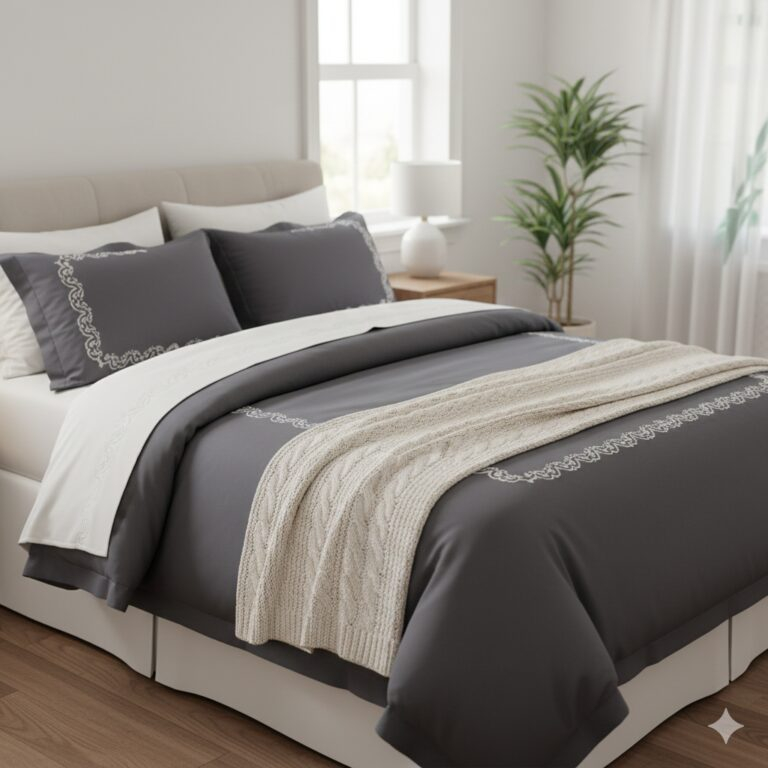
The comfortable bed is a carefully designed layered structure.
Comfortable bed layers from bottom to top
Mattress protector: A cotton or water-resistant layer protects the mattress from sweat and stains, and extends its lifespan for years.
The topper is optional: A layer of sponge or fibers on top of the mattress gives it extra softness if the mattress is dry.
The sheet with elastic: It's tightly stretched on the mattress without any wrinkles.
Regular bedsheet: Above it, for those who like the hotel style and for ease of washing.
The quilt or blanket: Depending on the season, it is preferable for the duvet to have a cotton cover underneath.
Pillows: Sleeping pillows that suit your situation, and decorative pillows for the look.
The blanket or runner: Folded over the edge of the bed for colder nights and as a finishing touch.
These layers allow you to easily control the warmth: remove a layer when it gets warm, and add another when it gets cold. Learn the difference between a comforter and a duvet in [link/context missing]. Bedspread vs Comforter guide.
Comfortable bed linen materials
Egyptian long-staple cotton
The gold standard for any comfortable bedding. Its long fibers produce a soft, durable fabric that improves with washing, absorbs sweat, and allows air to circulate, making it comfortable in both summer and winter. Learn more at Egyptian cotton bed sheet guide.
natural linen
It's very refreshing in the summer, gets softer over time, and its natural crinkled texture gives a feeling of comfort and understated elegance. Its drawback is that it's more expensive and a bit rougher at first.
cotton satin
Cotton fabric with a subtle sheen, silky texture and extra warmth, suitable for winter and for those who love a soft, luxurious feel.
Percale
Cool, dry matte cotton fabric, like ironed cotton shirts, ideal for those who feel hot while sleeping.
Industrial raw materials
Microfiber and polyester are cheaper and easier to wash, but they trap heat, so keep them for guest rooms or winter only.
Natural materials are the basis of comfort.
Number of threads: truth and illusion
One of the most common misconceptions is that a higher thread count always means higher quality. Some factories use thin, weak twisted yarns to inflate the count to a thousand or more, resulting in a heavy, sluggish fabric. The most important factors are the quality of the yarn itself and the type of cotton. The mid-range of pure Egyptian cotton offers an excellent balance of softness, breathability, and durability. So instead of chasing after the number, feel the fabric and ask about the cotton type.
Choosing a pillow according to your sleeping position
You sleep on your side: A slightly higher and heavier pillow to fill the space between your shoulder and neck.
You sleep on your back: A medium-height pillow that supports the neck without raising the head too much.
You sleep on your stomach: A thin, soft pillow, or no pillow at all.
You toss and turn a lot: A medium-sized pillow with filling that is easily molded.
The same applies to the filling: the hollow fibers are light and easy to wash, the memory foam supports the neck firmly, and the feathers are soft and luxurious but not suitable for allergy sufferers.
Comfortable bedding according to the season
summer: Percale or light-colored linen sheets, a light cotton bedspread or sheet, and pillows with cotton bags. Winter: Cotton satin sheets, a medium-sized duvet in a cotton cover, and an extra blanket at the foot of the bed. Spring and autumn: A medium-sized padded comforter with regular cotton sheets. This way, your comfortable bedding changes with the weather, instead of you getting tired of every temperature change. And look... The best types of blankets for each season.
Change the layers with the season.
Materials Comparison Table
raw material
Texture
Most suitable for
Care
Egyptian cotton satin
silky and warm
Winter and marital bedrooms
lightly
Percale cotton
cool and dry
summer
easy
natural linen
Rich and improving
Summer and natural look
Very easy
microfiber
Soft and retains heat
Guests and winter
easy
FAَQ
What is the most important thing in Comfortable Bedding?
The material should be breathable, as it helps regulate your body temperature throughout the night. Egyptian cotton and linen are the best choices, followed by selecting the right pillow for your sleeping position.
Does the topper really make a difference?
If the mattress is stiff or a bit old, topper adds a lot of softness at a lower cost than replacing the mattress. If the mattress is new and comfortable, you won't need it.
What is the most suitable color for comfortable bed linens?
Calm colors such as white, beige, light gray and pale blue help to relax, and avoid bright colors in large spaces.
How often should I change my pillow?
The pillow loses its shape and support after one to three years, depending on the filling. If it becomes flat or develops lumps, replace it.
Does the mattress protector get hot?
Cotton fabrics don't get hot, while plastic or vinyl can trap heat. Choose a cotton bath mat with a thin, water-resistant layer.
How often should I change the bed linens?
Once a week for sheets and pillowcases, and a mattress protector once a month.
How can I keep cotton soft?
Wash it with lukewarm water and a mild, non-bleach detergent, and avoid drying it on high heat.
Comfortable Bedding Steps from Scratch
Measure the rank: Length, width, and thickness, because all furniture will be chosen based on them.
Choose a mattress protector: Cotton with a liquid-resistant layer, and a suitable deep size.
Specify the type of fabric: Percale is for when you feel hot, satin is for when you like softness and warmth.
Choose the material: Pure Egyptian cotton for basic sets.
Choose your pillows: Depending on your sleeping position, and at least two per person.
Choose seasonal cover: A light blanket for summer and a quilt for winter.
Coordinate the colors: A calm base color, a second color, and a touch.
Take care: A regular washing schedule and a rotation of sets.
If you follow these eight steps, you will reach a comfortable bed at the hotel level, and you will notice the difference in your sleep from the first week.
Comfortable and healthy bed linens
Choosing bed linens isn't just about aesthetics; it impacts your health. Natural materials reduce sweating and skin irritation, and regular washing minimizes dust and mites that can trigger allergies and morning sneezing. A suitable pillow protects your neck and back from stiffness and headaches. A comfortable bed temperature also helps your body fall into a deep sleep more quickly, the stage where energy and focus are restored. So, if you wake up tired or toss and turn frequently, start by checking your linens before anything else.
How to choose bed linens if you have allergies
Choose pure cotton with a dense weave that prevents dust from seeping in.
Use a mattress protector and hypoallergenic pillowcases.
Choose hypoallergenic synthetic fillings instead of feathers and wool.
Wash the sheets weekly at a suitable temperature.
Ventilate the room daily and expose the duvet to air regularly.
Stay away from strong fabric softeners and perfumes.
Comfortable bedding for children
Children's bodies heat up quickly and they sweat more than adults, so lightweight cotton is essential for them. Choose cotton sheets in cheerful, calming colors, a lightweight, hypoallergenic duvet, and a thin pillow suitable for their age. Keep plenty of spare sets because they'll be doing more laundry. Avoid heavy pillows and duvets for very young children, and follow your pediatrician's advice regarding safe sleep.
Tidying up and taking care of things is part of the comfort.
Comfortable Bedding colors and their effect on mood
Colors affect your mood before bed more than you might imagine. Pale blue and calming green soothe the nerves and give a feeling of freshness. Beige, cream, and camel give warmth and coziness. Light gray gives a modern, neutral, and calming feel. White gives a hotel-like and clean feel. As for red, orange, and bright yellow, these are stimulating colors, so keep them in small touches like a pillow or blanket, not in the sheets or bedspread. Coordinate the colors with the room's curtains to make the space look complete, and see... bedroom curtains andColor coordination.
Hotel style in your home
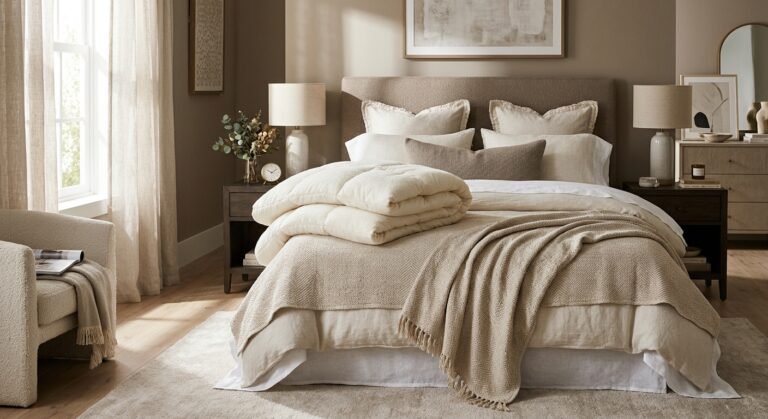
To create a hotel-style bed: Start with a fitted white fitted sheet, then a plain white sheet folded over it. Next, place a fluffy white duvet in a cotton cover, folding the top edge back slightly. Arrange the pillows in white pillowcases, placing two larger pillows in front of them, and then a small, statement pillow in front of those. Finally, place a runner or colorful blanket on the foot of the bed. Simplicity, cleanliness, and layering are the secrets to a hotel-style bed.
Comfortable bed linen budget
You don't have to spend a fortune to sleep comfortably. Focus your budget on the things that touch your body directly: sheets, pillowcases, and the pillows themselves. Invest in two sets of genuine Egyptian cotton instead of five cheap ones, and choose a good quality pillow that suits your sleeping position. Then, save on decorative items like small cushions and runners. Always think about the cost of the item divided by its lifespan; you'll find that quality is more worthwhile in the long run.
Mistakes that make the bed uncomfortable
Small-sized sheets that pull off the mattress while sleeping.
Synthetic materials that trap sweat in the summer.
One pillow for all positions, not suitable for your sleeping position.
A very heavy duvet in a warm room.
Washing too little results in dust and sweat accumulating in the fabrics.
It is a very strong cleaner and softener, so the fabric remains dry and less absorbent.
Neglecting the mattress protector will cause the mattress to deteriorate quickly.
Summary of the Comfortable Bedding Guide
A comfortable bed is a combination of breathable natural materials, seasonally suitable fabrics, pillows that fit your sleeping position, adjustable layers, calming colors, and regular care. Start with the basics, invest in the quality that feels good against your skin, and complete with the details that add flair. If you need help choosing the right comfortable bedding for your room, the Petalize team is ready to recommend the perfect match for your bed and your taste. Continue reading in Hotel furnishings andFurniture care.
Choosing bed linens according to your sleeping habits
If you always feel hot: Light-colored cotton or linen percale, a very light duvet or cotton blanket (even in winter), and a pillow with breathable filling (not dense memory foam). If you feel cold: Cotton satin or flannel in winter, a medium-weight duvet for heavier winters, and an extra blanket. If you sleep with a partner with a different temperature: Two separate blankets of different weights under one blanket for the sake of the look, the Scandinavian method that solves this problem. If you wake up a lot at night: Check the material and temperature first, then the pillow, and then the light in the room. If you are suffering from neck pain: The pillow is the first thing you should change, and choose a height that suits your sleeping position.
Lighting, curtains, and comfortable bedding
Even the best bedding won't give you a comfortable night's sleep if the room has streetlights or early morning sunlight. Blackout or lined curtains block out light and help the body naturally release sleep hormones. Coordinate the curtain color with the bedding to create a calm and cohesive room. Learn about the differences between the types in [the article/reference]. The difference between chiffon and blackout. Also, warm, dim artificial lighting before bedtime prepares the body for relaxation more than bright white lights.
Bed linens in a bride's trousseau
If you're furnishing a new home, make comfortable bedding a priority in the bedroom. Start with a good mattress protector, two or three sets of Egyptian cotton bedding for everyday use, a luxurious set for special occasions, two pillows for each person that fit their sleeping position, a bedspread, and a duvet. The rest can be added later. You can find out the appropriate number in [the relevant section/context]. How many sets of bedsheets does a bride need?.
Weekly care for comfortable bed linens
A simple weekly routine will keep your bed comfortable and clean all the time. On laundry day: Remove the sheets and pillowcases and wash them in lukewarm water with a mild detergent, then hang them to dry in the shade. On the same day, leave the mattress uncovered for an hour or two in the open air, and open the window for ventilation. Every month, wash the mattress protector, shake out the pillows, and air them out. Every three months, turn the mattress over or rotate it if the type allows, to distribute the pressure evenly. Every six months, wash the pillows themselves if the filling allows, and wash the duvet once or twice a year. This routine preserves the fabrics, reduces dust and allergies, and extends the life of everything on your bed.
Why choose Petalize bed linens?
At Petalize, we prioritize quality over style. We select breathable and durable cotton fabrics in calming colors that coordinate with our curtains and bedding. Each product includes a clear description of the fabric type, sizes, and care instructions, and we can help you coordinate your entire bedroom set: sheets, bedspreads, comforters, and curtains. Feel free to ask us any questions on WhatsApp before ordering, so you can choose with confidence. We believe that a comfortable night's sleep is a right for every home, and a comfortable bed starts with the right choice.
Comparison of filling types for pillows and duvets
Hollow fibers: The most common type in Egyptian homes. Lightweight, hypoallergenic in most varieties, machine washable, and reasonably priced. Its drawback is that it loses its fluffiness after years of use, so it needs to be replaced periodically. Microfiber: Its texture is very soft, like feathers, and it is light, warm, and suitable for those who like a soft feel. Memory foam: It is shaped to fit the neck and head and provides firm support, suitable for people with neck pain, but it can trap heat if it is not ventilated. Latex: Flexible, durable, moth-resistant, and provides balanced support, but it is more expensive. Feathers and down: The lightest, softest, and warmest, and it lasts for years, but it is not suitable for allergy sufferers and needs daily cleaning. Cotton: It's normal and it breathes, but it clumps together over time and becomes heavier.
Choosing the right filling is an essential part of comfortable bedding, as the pillow determines the comfort of your neck and shoulders, and the duvet determines your body temperature. So take your time choosing, try on the pillow if possible before buying, and select a duvet with a suitable weight for your room and climate.
How to refresh your bedroom with just bed linens
If your bedroom feels boring, you don't have to change the furniture or repaint the walls. Bed linens alone can completely transform the room. Try a new sheet set in a calming color, a comforter with a different texture like velvet or washed linen, three or four decorative pillows in coordinating colors and different sizes, and a throw blanket tucked into the foot of the bed. In the summer, keep the colors light and refreshing, and in the winter, opt for warm and rich tones. This change costs much less than any other renovation, and you'll see the results from day one.
Quick tips for deeper sleep
Keep the room temperature moderate and slightly cool.
Change the sheets every week because the feeling of cleanliness helps you relax.
Make the bed in the morning, so it will be ready and comfortable at night.
Use a curtain to block out outside light.
Choose calm colors for the furniture and curtains.
Keep your mobile phone and screens away from the bed a little while before going to sleep.
Try a light spray of a natural fabric freshener with a lavender scent.
These tips, along with comfortable bed linens, make the room a place of true relaxation, and help you wake up every day with higher energy and a calmer mood.
Comfortable bedding for guest rooms
The guest room deserves attention, as a guest's comfort reflects the hospitality of the home. You don't need to spend as much as on the master bedroom, but keep the essentials: a clean mattress protector, two sets of cotton sheets in a neutral color, two pillowcases (one soft and one medium-firm) so each guest can choose, a medium-weight comforter suitable for most seasons, and an extra blanket in the closet for colder days. Place a clean, folded towel on the bed; this creates a subtle, hotel-like feel that will please any guest.
When should you replace your bed linens?
Even the finest fabrics have a lifespan. Change your sheets when you notice the fabric is becoming too thin, pilling, or losing its softness despite proper washing, or when the elastic has loosened and no longer stays in place. Change your pillowcase when it becomes flat, develops lumps, develops an unpleasant odor, or if you wake up with a stiff neck. Change your duvet when the filling bunches up at the edges or loses its warmth. And replace your mattress protector when the waterproof layer is damaged. Renewing your mattress at the right time maintains the quality of your sleep and protects your mattress, which is the most expensive piece of furniture in your bed.
Ultimately, choosing comfortable bed linens is a personal journey; everyone has their own needs and tastes. Experiment, observe how you feel, and adjust until you find the combination that makes you look forward to bedtime every night.
Comfortable bedding in small apartments
If your room is small, the right furnishings can make it appear larger and more spacious. Choose light, solid colors for your sheets and bedspread, such as white, ivory, and light gray, as these reflect light and create a sense of spaciousness. Limit the number of decorative pillows to two or three, and choose a bedspread that fits properly without piling on the floor. Utilize the space under the bed to store spare sets in fabric boxes. Coordinate the colors of your furnishings with the wall and curtain colors to create a cohesive and comfortable space throughout the room. See more ideas! Enlarging the room with curtains Which completes this effect.
No matter the size of your room or your budget, the rule is the same: natural materials, the right size, calming colors, and regular care. These are the secrets to a comfortable bed waiting for you every night.
If you're unsure where to start, send us your bed size and sleeping habits on WhatsApp: are you hot or cold, do you sleep on your side or your back? We'll recommend the perfect bedding set, pillow, and duvet to help you achieve the most comfortable bed possible from the very first time, without a lot of trial and error.
Remember that a comfortable bed doesn't have to be made all at once. Start with a set of cotton sheets and a suitable pillow, notice the difference in your sleep, and add the rest of the layers one by one according to your needs and budget, until you reach the bed that truly comforts you every night.
The more you take care of your comfortable bed linens, the more comfort they will give you and the longer they will last you. So make taking care of them a regular part of your weekly household routine.
Elevate your sleep experience with Petalize
Bedding made from natural materials and in calming colors. Browse Bedspreads.














 English